How to Start Keeping a Weather Journal
Start a weather journal with one observation time, one clearly described place, and a few fields you can repeat. A useful first entry does not need expensive instruments or a perfect cloud name. It needs enough
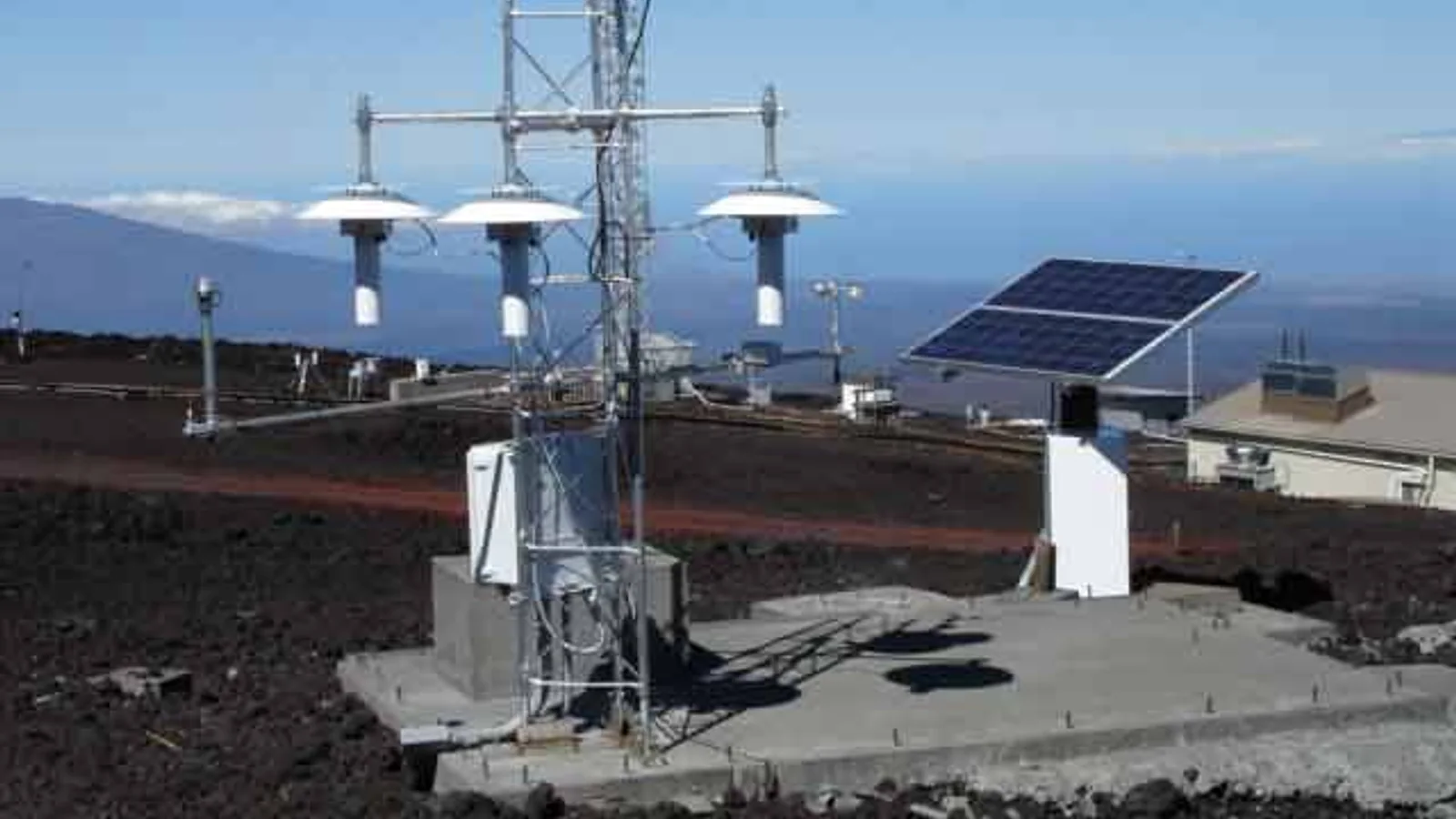
Start a weather journal with one observation time, one clearly described place, and a few fields you can repeat. A useful first entry does not need expensive instruments or a perfect cloud name. It needs enough context that you can understand the note tomorrow, next month, or after a season has passed.
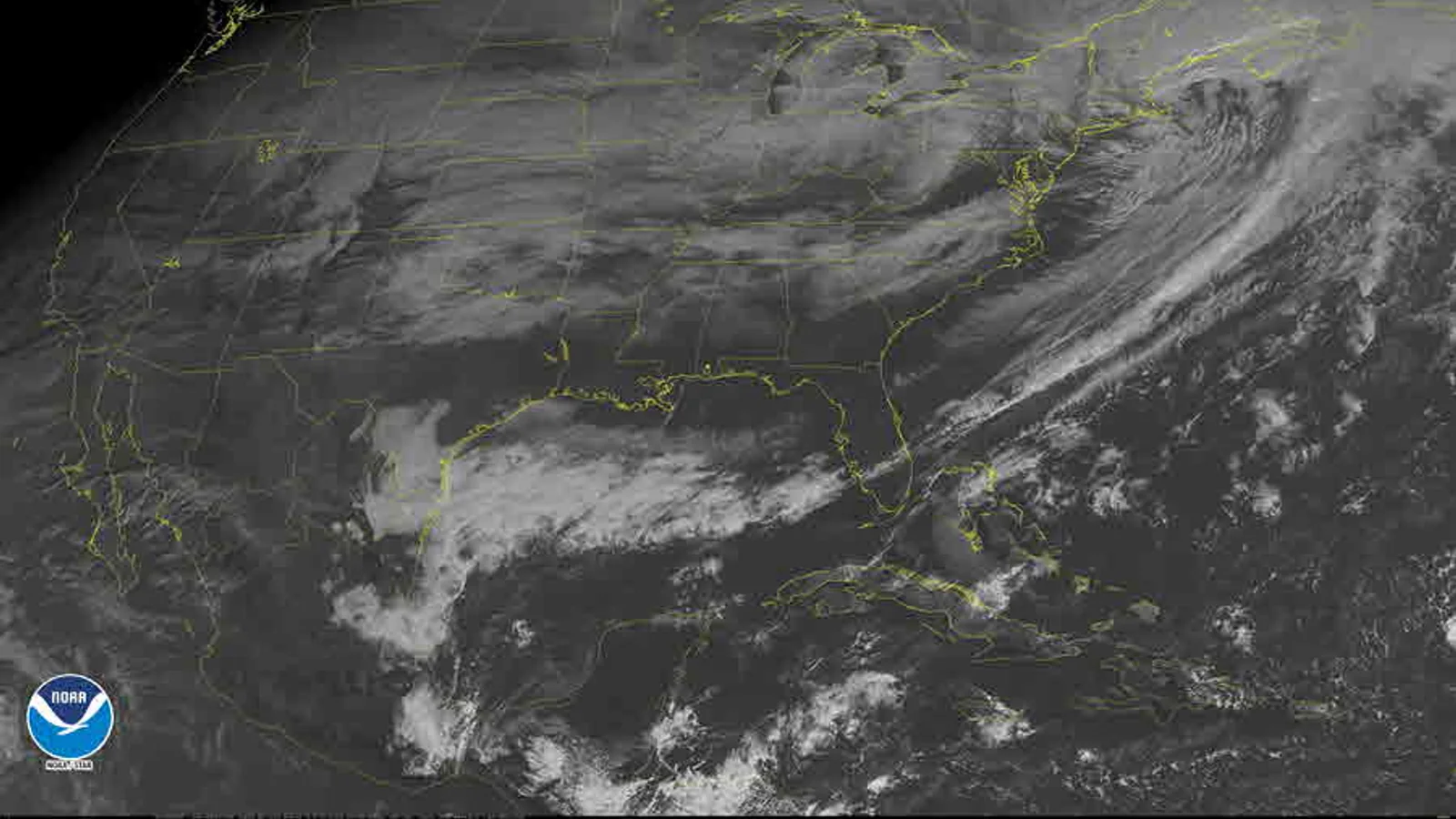
Your journal is a record of conditions at a place and time. It is not a forecast, a warning, or proof of what happened everywhere nearby. For future conditions or hazardous weather, use the forecast and warnings issued by the responsible local authority.
Choose a routine you can keep
Pick a time that fits your day: before work, after school, or shortly after sunset. The exact hour matters less than using roughly the same hour most days. A note at 07:30 each morning can be compared more easily with another 07:30 note than with a mixture of breakfast, lunchtime, and midnight observations.
Choose one primary observing place too. “Back garden, beside the east-facing fence” is far more useful than “home.” Add what can affect the view or reading: nearby buildings, trees, paving, a balcony, or a sheltered corner. Those details are not flaws to hide. They explain what your observation represents.
If you miss a day, write nothing for that day. Do not reconstruct a precise observation from memory. A gap is honest information about the record.
Use six fields for the first week
For seven days, record these fields in the same order:
- Date and local time.
- Place and observing direction, if relevant.
- What the sky looks like: clear, scattered cloud, mostly cloudy, or overcast, plus a plain-language cloud description.
- Precipitation observed since the previous entry: none, drizzle, rain, snow, hail, or unknown. If you use a gauge, write the accumulation and its reading period.
- Wind: calm, light, moderate, or strong enough to move particular objects; add the direction it comes from only when you can judge it confidently.
- Air temperature or humidity, if an instrument is available, together with the instrument location.
The Met Office lists temperature, wind, precipitation and cloud-related elements among routine weather observations, while also distinguishing standard sites from sites that do not meet the same exposure requirements. That distinction is useful for a home journal: your record can still be valuable, but its site context travels with every number.
Describe what you can actually see
Prefer a concrete sentence to a dramatic label. Instead of writing “storm clouds,” try: “A grey layer covered most of the sky; its lower edge was darker toward the west; no rain was falling here at 18:10.” That sentence preserves cloud amount, appearance, direction, precipitation and time.
Cloud classification is helpful, but uncertainty belongs in the note. The World Meteorological Organization’s cloud system groups frequently observed characteristic forms into genera, species and varieties; real clouds also evolve continuously. If you are unsure whether a cloud is stratocumulus or altocumulus, write the visible features and add “identification uncertain.” The description may become more useful than a forced name.
Photographs can support a note, especially when they are time-stamped and taken from a repeatable viewpoint. They do not replace the written context: a photograph may not show wind, the direction you faced, recent rain, or the obstruction behind the camera.
Make one completed entry
Here is a deliberately modest entry:
> 14 May, 07:35 local time — back garden, looking west. Sky about three-quarters covered by a low, uneven grey layer, with small blue gaps overhead. No rain observed since yesterday’s entry. Leaves moving lightly; apparent wind from the southwest, uncertain because the fence shelters this spot. Thermometer: 14.2 °C, shaded north wall, about 1.5 m above paving. Photo taken facing west.
This entry does not claim the temperature represents a whole town or that the cloud layer guarantees rain. It does preserve enough information to compare a later morning from the same place. It also records a potential bias: a shaded wall above paving is part of the observation, not an invisible standard weather station.
Review the week for changes, not predictions
At the end of seven days, read the notes in order and look for ordinary questions: Which mornings felt most sheltered? Did the same wind direction feel different after leaves appeared on nearby trees? Did your temperature reading change after direct sun reached the sensor? Did cloudy mornings have a repeated visual pattern?
Write answers as observations of your record: “On three mornings with a southwest apparent wind, the fence-side spot felt sheltered.” Avoid turning a week of notes into a climate conclusion or a personal forecasting rule. Seven entries can reveal where you need better context; they cannot establish a long-term local pattern.
If you want to compare your notes with a forecast or official observation, first match the time, units, and location as closely as possible. A forecast can describe a grid area and time period, while your journal describes one exposed point at one moment. Difference is a reason to inspect the context, not automatic proof that either source is wrong.
For example, the U.S. National Weather Service describes many of its point forecasts as grid forecasts, with a grid resolution of about 2.5 km by 2.5 km. That is still a useful public forecast for a location, but it is not a promise that every fence line, roof, shaded wall, or small hollow inside that area will produce the same reading at the same minute. Other national services use different systems and resolutions, so do not copy that number into a journal as a universal rule. Instead, write down the forecast source, the time period it covered, and the observation time you are comparing.
Here is a restrained comparison note: “Forecast checked at 07:20 for 07:00–08:00: cloudy, 13 °C. Journal entry at 07:35: three-quarters cloud cover, 14.2 °C at shaded north-wall sensor. Difference retained; sensor exposure noted.” This does not score the forecast. It makes the comparison auditable: another reader can see that the two values have different time, scale, and exposure contexts.
Avoid a common journal mistake: changing your observation to match the forecast. Your journal should preserve what your method recorded, including uncertainty. If you later find a transcription error, correct it with a dated note rather than replacing the original without explanation.
Add detail only when it answers a question
After the first week, add one field at a time. A rain gauge can answer “how much accumulated here during this period?” A consistent cloud note can answer “how did the sky change during the afternoon?” A temperature sensor can answer “what did this sensor measure at this documented site?”
Do not add a field merely because a weather app displays it. Each extra value creates a new responsibility: a unit, a time basis, a site description, and an uncertainty. A small journal that you can maintain is more useful than a detailed log abandoned after three days.
Keep the original wording when you correct a note
Weather journals become more useful when they show how your understanding changed. If you later identify a cloud differently, do not silently replace the first wording. Add a dated correction such as: “15 May review: the low layer may have been stratocumulus rather than the altocumulus first recorded.” This preserves both the original observation and the reason for revisiting it.
Use the same approach for instrument problems. If a thermometer was in direct sun, mark the reading as affected rather than deleting it and pretending the event never occurred. A note like “12:40 value excluded from comparison: sunlight reached the sensor housing” is enough. It prevents the number from being treated as representative later, while retaining a truthful maintenance history.
This habit also makes a journal easier to share with a teacher, a citizen-science coordinator, or your future self. They can see what was measured, what was inferred, and what remains unknown.
Your next entry can therefore be simple: return to the same place at the chosen time, write what is present, retain what you do not know, and keep official forecasts and warnings separate from your own observation.